
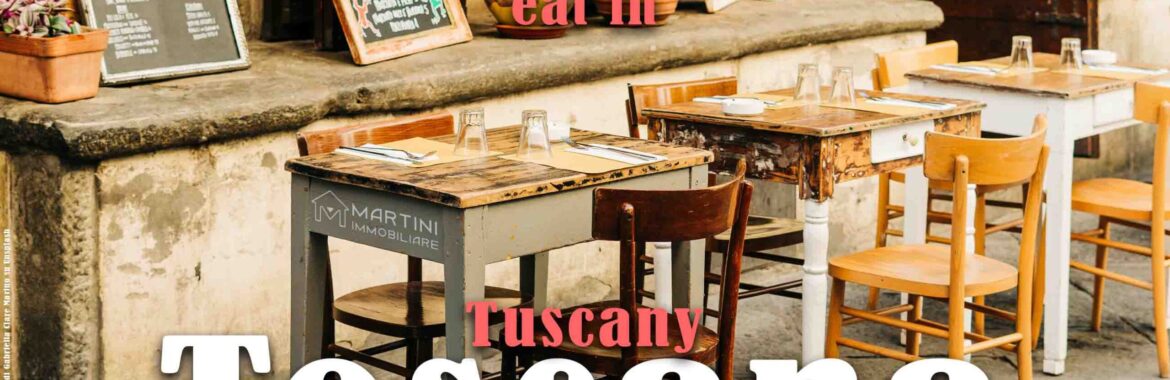
Anyone exploring Italy’s various regions simply must venture out to discover their traditional dishes—so here is what to eat in Tuscany. We recommend five unmissable dishes that you should try at least once.
Tuscan Charcuterie Board
No self-respecting Tuscan “trattoria” would be complete without the legendary Charcuterie Board (“tagliere” in Italian). A symbol of rustic tradition and peasant simplicity, the board consists primarily of cured meats and cheeses. Selections range from Tuscan prosciutto and coarsely ground salami to *finocchiona*, a pork sausage flavored with fennel. The region also offers a wide array of sheep’s and goat’s milk cheeses aged to varying degrees which are often served on the board alongside jams and honey. While typically ordered as an appetizer, the *tagliere* (Charcuterie Board) is also perfect for a mid-afternoon snack.
Cacciucco alla livornese
Seafood lovers who decide to move to or visit the Leghorn area will find a real treat quite literally in the form of *cacciucco* (Leghorn fish stew). This fish stew, served over slices of toasted bread rubbed with garlic, is one of the signature dishes of the Tuscan coast. As is often the case, various versions of the recipe have emerged, such as the one from Viareggio, but the foundation always involves at least six or seven types of fish cooked at different stages (the original recipe actually calls for thirteen).
The selection ranges from cuttlefish to mussels, including so-called “poor man’s fish” such as gurnard, scorpionfish, stargazer, weever, smooth-hound, small-spotted catshark, and dogfish. These many ingredients come together to create a truly flavorful dish that, true to tradition, pairs perfectly with red wine.
Pici all’aglione
Anyone dining in Tuscany who prefers a first course should try *pici all’aglione*, a signature dish of the Val di Chiana. What sets it apart is the use of a specific variety of garlic known as *aglione*. Despite its larger size, *aglione* is more delicate and easier to digest than the more common type of garlic. When combined with tomato, it imparts a distinctive flavor to the dish, which is based on *pici*—thick, tender strands of fresh pasta.
Many chefs add chili pepper to enhance the flavor and finish the dish with a sprinkling of breadcrumbs.
Fiorentina
Moving on to meat and shifting the focus to a different area, it is impossible not to mention the *Fiorentina* (Florentine steak). Typical of the city of Florence, this steak—weighing around one and a half kilograms and standing six centimeters thick—is cooked strictly on a grill over glowing embers. The cooking process involves five minutes per side followed by 15 minutes upright; according to experts, a true *Fiorentina* should be able to stand on its own. It is best enjoyed rare, paired with a full-bodied red wine.
Cantuccini
Many sweet treats grace Tuscan tables, especially during autumn and the Christmas season. They range from Sienese specialties like *ricciarelli* and *panforte* to *schiacciata fiorentina*. These recipes all stem from a tradition of humble origins, where little sugar was used and the focus was on highlighting the flavors of seasonal ingredients—such as chestnuts, figs, and various flours—often out of necessity.
Prominent among these are *cantuccini* (or *cantucci*), whose origins likely date back to the 17th century in the area stretching from Pisa to Prato. These are small, dry almond biscuits made by slicing a loaf of dough into strips and baking them. Simple yet flavorful, they are often enjoyed with *Vin Santo*.
These are just a few of the delicacies worth trying for anyone deciding to buy a home in Tuscany or spend a holiday there. Each area boasts its own specialties and culinary variations just waiting to be discovered!