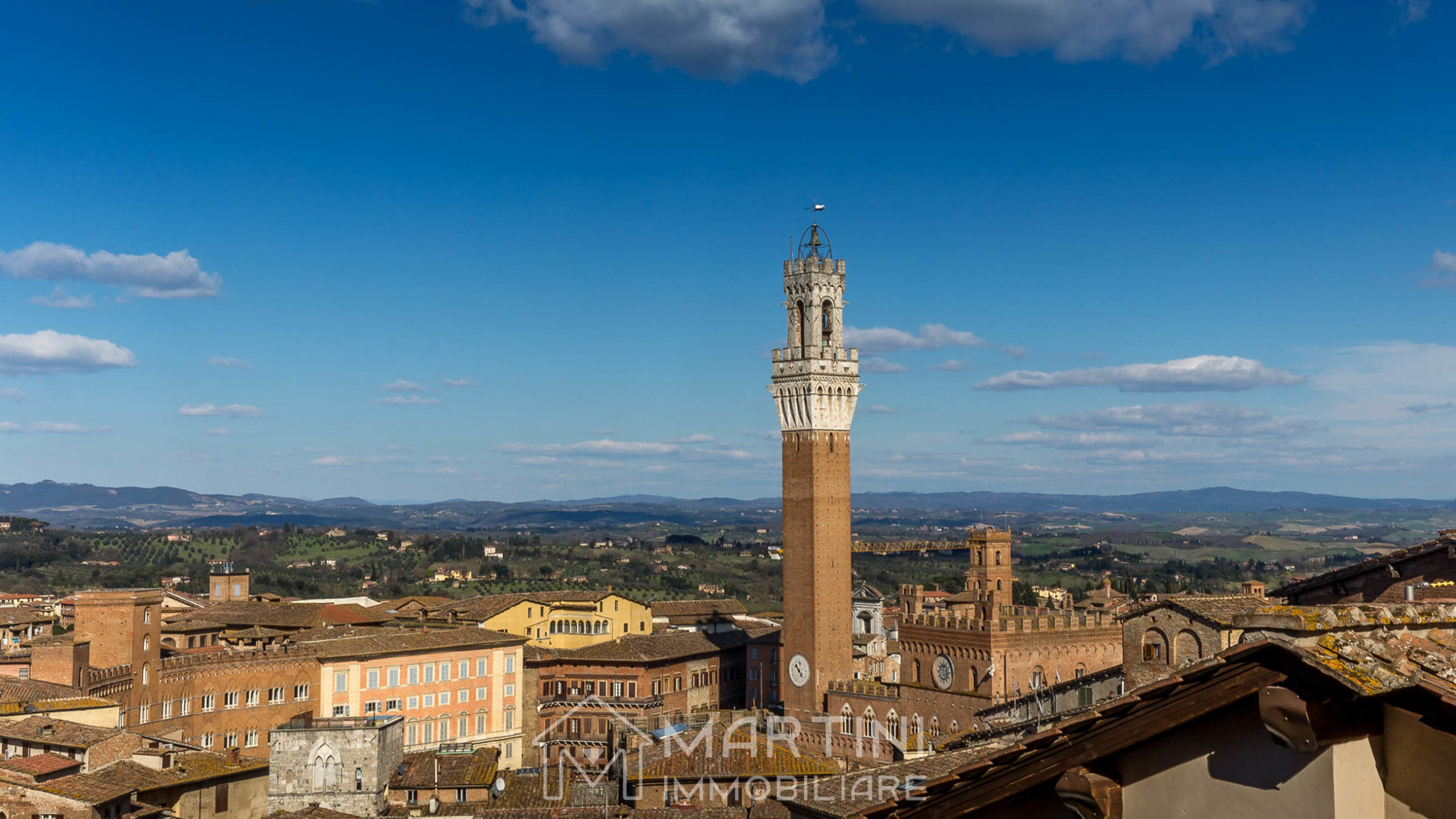

Siena, or rather, the quality of life made into a city. One of Tuscany’s most important cities, it was the first municipality in Europe to close its historic center to traffic, way back in 1966.
Siena, an international hub of culture, boasts a young, 750-year-old university of excellence and is home to prestigious institutions, including the Chigiana Academy of Music, the University for Foreigners, the Accademia dei Fisiocritici, and the Accademia degli Intronati.
A place where every stone has remained unchanged over the centuries and where you can breathe an atmosphere unlike any other, because the Sienese people have kept alive the traditions of their ancestors, such as those linked to the Palio di Siena, renewing them each year with undiminished strength and enthusiasm.
Visit Siena
When visiting Siena, it’s a good idea to take your time and enjoy the Tuscan city’s countless attractions at your leisure. Describing every building or monument here would be impossible, so we’ll limit ourselves to listing the major attractions, which we’ll explore in more detail in other dedicated articles:
- Del Campo square
- Palio of Siena
- Dome (Cathedral of St. Maria Assunta)
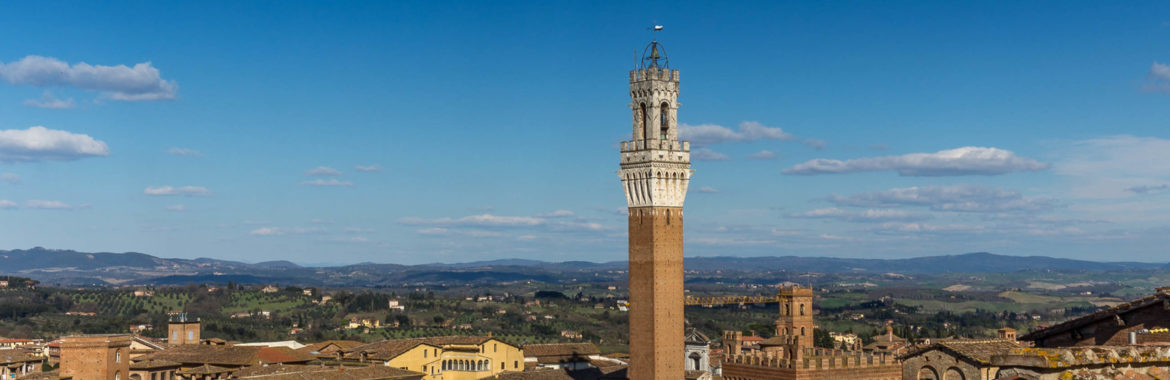
- Tower of Mangia
- Palazzo Civico
- Battistero
- St. Francesco square and the Basilica
- Banchi di Sopra, via di Città and all the other historical alleys in the town centre full of shops
Some History
Siena, of Etruscan origin, was also a Roman colony under the name of Sena Julia. Its greatest importance occurred in the Middle Ages, first subjugated by the Lombards and then passing under Carolingian rule. After a long period of episcopal rule (from the 9th to the 11th century), the city reached its maximum splendor after becoming an autonomous municipality (1147), adopting an expansionist policy towards neighboring territories. Conflict with Florence, another great power of the time, became inevitable. The war between the two cities lasted, with various vicissitudes, until 1555, when after a long siege, Siena was conquered by the Florentines, thus losing its autonomy and becoming part of the Grand Duchy of Tuscany, sharing its fate until the unification of Italy in 1861.
Visit Siena from one of our holiday homes nearby!