

Tuscan traditions are renowned throughout the world: from the Palio of Siena to the Balestro of Massa Marittima, not to mention the Florentine festivals. All events captivate the hearts of participants while also celebrating the region’s origins. Let’s discover some of the traditions not to be missed for those who want to discover the full charm of Tuscany.
Tuscan Traditions: the Palio of Siena
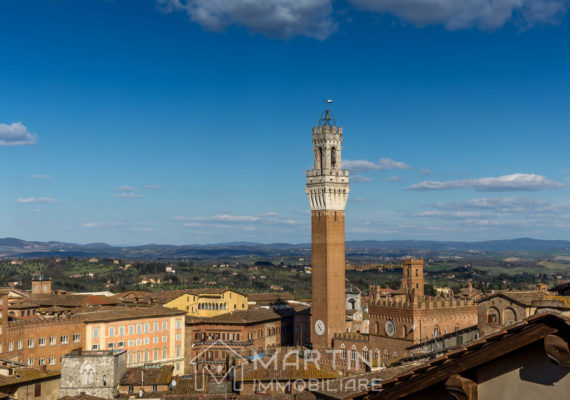
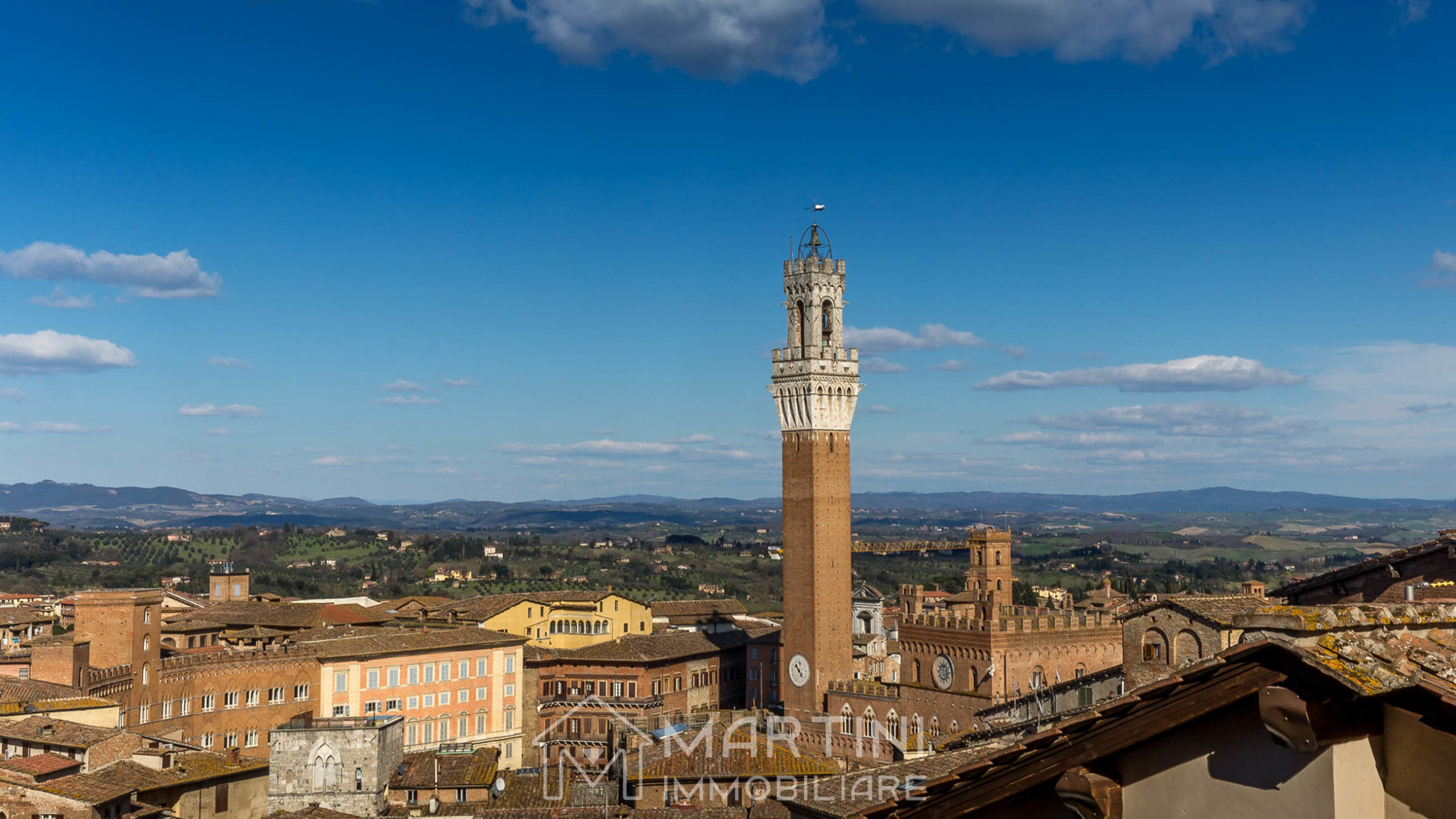
The Palio of Siena is undoubtedly one of Tuscany’s most important events. It takes place twice a year, on July 2nd and August 16th, in the splendid Piazza del Campo, and is never a simple horse race.
Rather, it is a collective ritual that enlivens the entire city. Each participant represents a contrada, and on the day of the Palio, the cheering reaches its peak. Victory is a source of great pride for the entire community. The streets of Siena are always filled with chants and entertainment organized by the contrada members.
The Balestro of Massa Marittima: authentic Middle Ages
Moving to Maremma, we find the tradition of the Balestro of Girifalco in the charming village of Massa Marittima. This historic competition features shooters, representing the districts of Massa Marittima, who must hit a target by shooting arrows with an ancient crossbow. The competition, which usually takes place on the fourth Sunday of May and the second Sunday of August in Piazza Garibaldi, is a deeply felt event and is accompanied by historical parades, flag-waving performances, and parties for adults and children alike. All the information on the competition on the website of the Terzieri massetani.
Traditions of Florence: the Rificolona and the calcio fiorentino
Among Florentine popular traditions is the Rificolona, ??which takes place on the evening of September 7th. Everyone gathers with colorful paper lanterns and walks through the streets of Florence until reaching Piazza Santissima Annunziata. In ancient times, pilgrims carrying lanterns (rificolone, as they say) would arrive here at night to participate in the fair dedicated to the Nativity of Mary and sell their wares.
For sports lovers, the city also hosts the famous Calcio Storico Fiorentino. A mix of soccer, rugby, and wrestling, the competition features four teams representing Florence’s ancient neighborhoods: the Bianchi di Santo Spirito, the Azzurri di Santa Croce, the Verdi di San Giovanni (Duomo), and the Rossi di Santa Maria Novella. An ancient tradition linked to Greek and Roman culture, Calcio Fiorentino is played in Piazza Santa Croce, with the final scheduled for June 24th each year. For more information, please visit the website of Municipality of Florence.
Traditions in Pisa: the game of the Bridge
The Game of the Bridge in Pisa is a historical reenactment held in the heart of the Tuscan city, along the Arno River. There are two main events. The first is the Corteo Storico sui Lungarni (Historical Procession on the Lungarni): a military parade along the two streets that run alongside the Arno River, with participants dressed in 16th-century costumes. The other event is the battle, held on the Ponte di Mezzo (Middle Bridge). Here, teams from the two rival city factions, Tramontana and Mezzogiorno, demonstrate their physical strength by pushing a huge cart against each other.
The event usually takes place on the last Saturday of June, concluding the famous “Pisan June.”
Tuscan traditions: The Bravìo of the Barrels
Montepulciano also hosts a truly unique tradition. On the last Sunday of August, a barrel race takes place. The competition, combining fun and concentration, is once again between the city’s contrade. Eight in total: Cagnano, Collazzi, Le Coste, Gracciano, Poggiolo, San Donato, Talosa, and Voltaia. It’s all easy if the route is downhill. However, participants must push the huge 80-kilo barrels uphill through the town streets, arriving in front of the Duomo in Piazza Grande. Naturally, there’s plenty of cheering and suspense for whoever wins the painted banner depicting the patron saint, San Giovanni Decollato, to whom the event is dedicated. To learn more, here’s the link of the official website of Bravìo delle Botti.
In conclusion, from the Palio to the Balestro, to the Bravìo di Montepulciano, Tuscan traditions always capture spectators’ attention. A way to discover and rediscover the charm of Tuscany, past and present.